The Visitors’ Books at the Lindauer Art Gallery
Roger Blackley
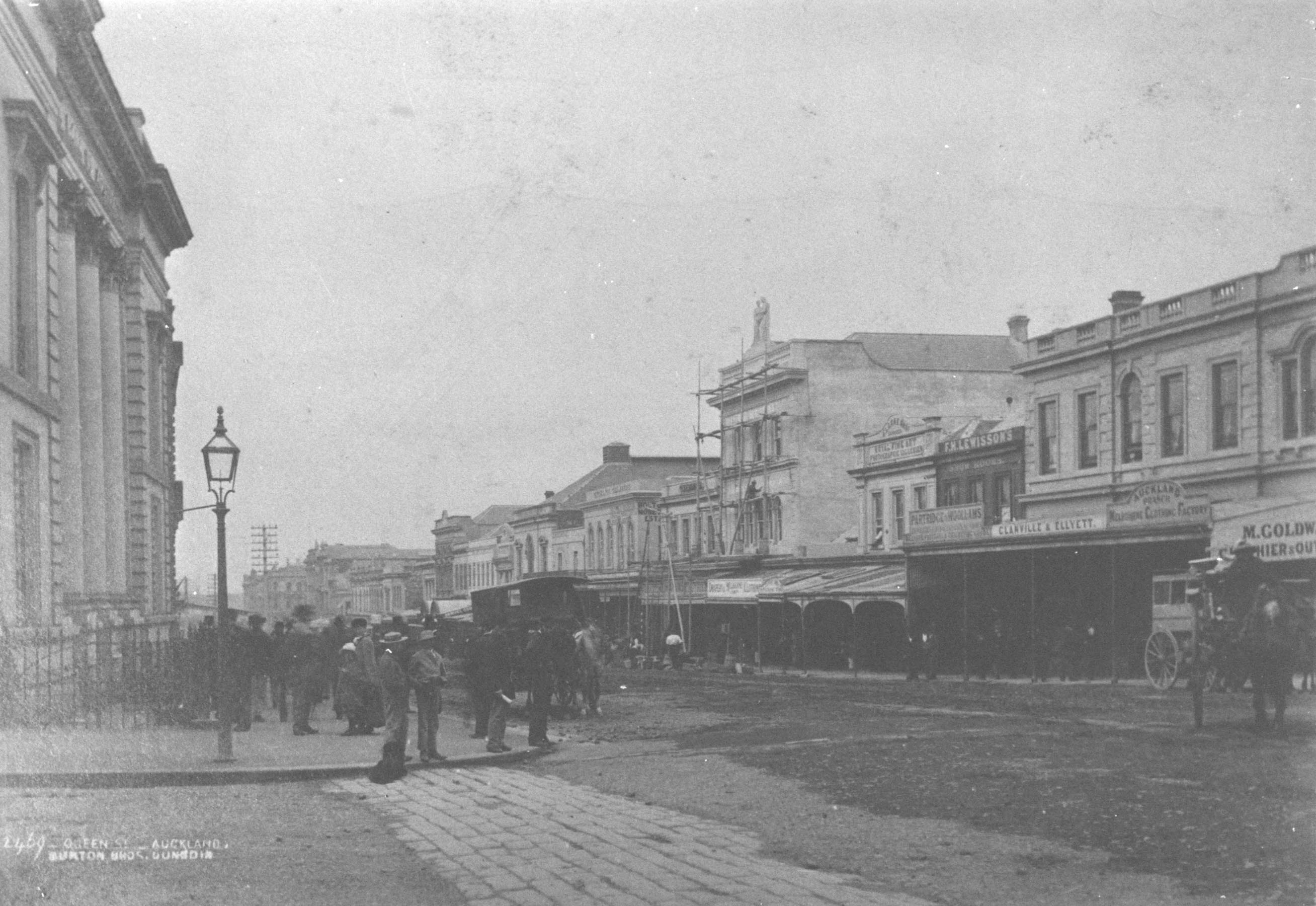
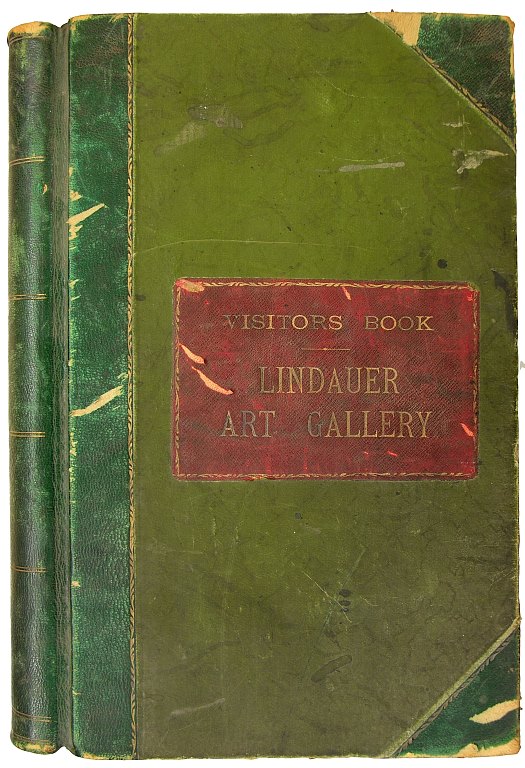
Tastefully bound in shiny green leather, the two imposing ledgers sat side by side on a table in the gallery that opened in Queen Street in 1901 (Fig 1). Embossed on one is the title ‘PUKAPUKA MO NGA MANUHIRI TANGATA MATAKIT[A]KI’, today informally known as the Māori Visitors’ Book. The other carries the title ‘VISITORS BOOK LINDAUER ART GALLERY’ and is referred to as the Pākehā Visitors’ Book. In fact, there were Māori visitors who inscribed their names on the very first page of the Pākehā book and, when the Pākehā book was filled completely in 1908, everyone then inscribed the Māori book. These hundreds of texts – contributed by Māori and Pākehā visitors, foreign tourists and sundry graffitists – document the bicultural context of what amounted to an extraordinary national portrait gallery of Māori celebrities.
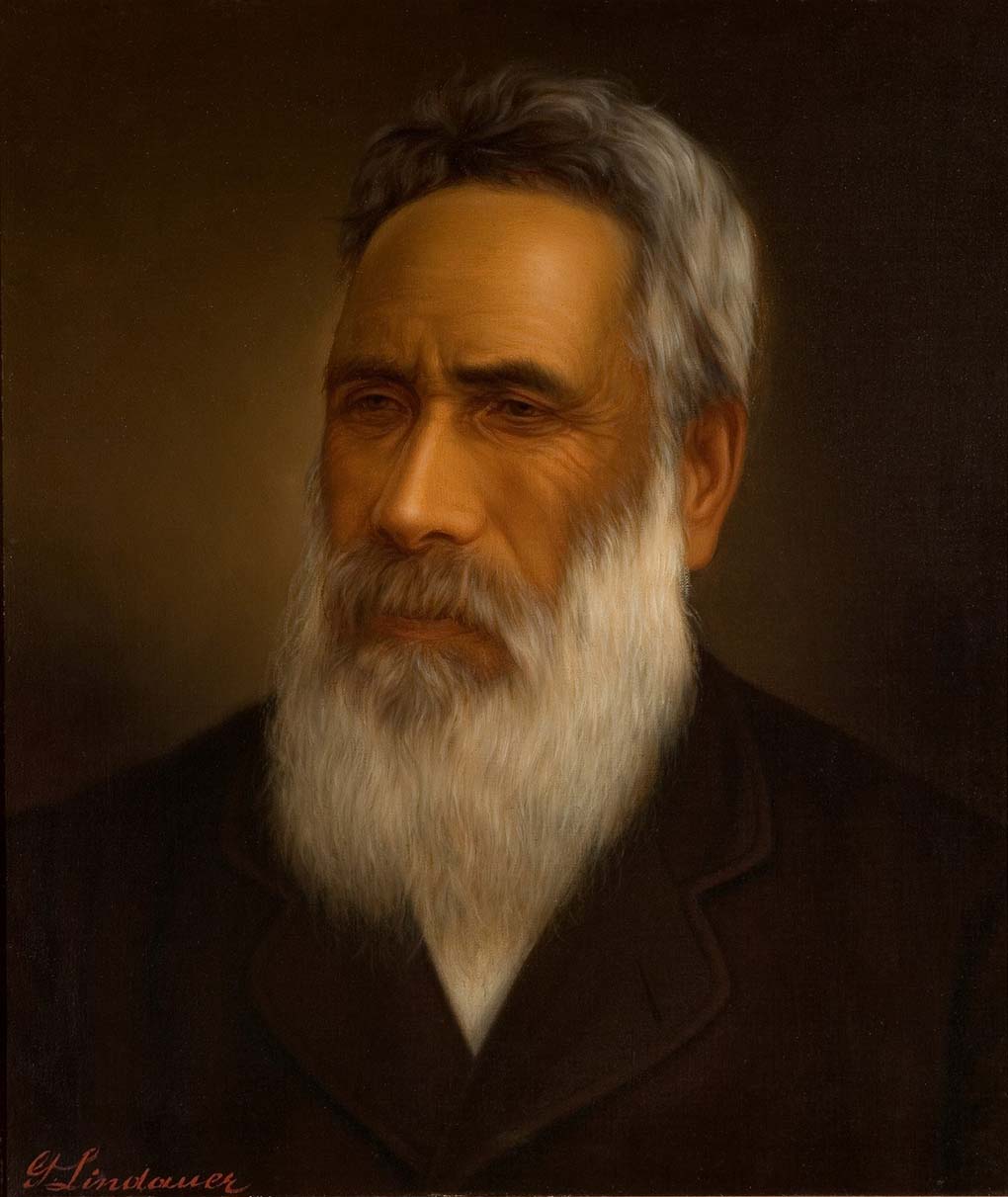
On the very first page of the Māori book appears the shaky signature of Ruka Aratapu (Fig 2), the fifth recorded visitor to the gallery and the subject of a portrait on display, who came with a group from Tūranganui-a-Rua Poverty Bay on 3 June 1901. Most of the Māori visitors belonged to the succeeding generations: the sons and daughters, nieces and nephews. Sometimes characterising themselves as the mōrehu, meaning ‘survivor or remnant’, they saluted their now-departed elders who were arrayed before them in the gallery. And following the messages of greeting and farewell came abundant accolades to the tohunga Gottfried Lindauer, and to the generous patron and curator Henry Partridge, whose initiative in forming the gallery was commended by so many of the Māori visitors.
This rich documentation of Māori engagement with the paintings reveals a distinctive reception of ancestral depictions that, while distinct from European notions of art and ethnography, inevitably coexisted with these categories. While portrait paintings had long served important roles within the Māori world, displayed within meeting houses and deployed at tangihanga, such collections emphasised the genealogical connections between portrayed individuals. By contrast, the collection of Lindauer portraits formed by Partridge – encompassing a multiplicity of tribes – described at the time as ‘rebels’ and ‘friendlies’ – was quite distinct from those extant within the Māori world. This is the point made by Tupotahi Tukorehe of Kihikihi (no 147): ‘The caretaker of these paintings was right to display them at the same place.’
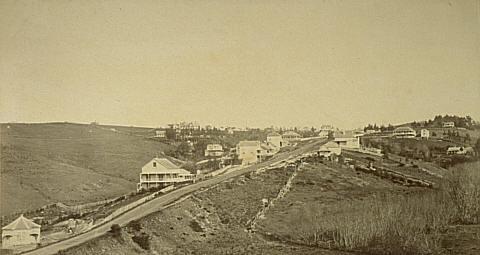
By the 1890s, Partridge’s fast-growing collection had achieved considerable fame in both the Māori and Pākehā worlds. Descendants and relatives were regularly welcomed at the Partridge residence in Grafton Road (Fig 3), and it is likely that the facilitation of such visits was a significant motive behind the 1901 opening of the Lindauer Art Gallery. The very existence of the Māori book, in which the Māori-language letterpress invites viewers to contribute, is evidence that Māori access to the collection was central to the planning of the Lindauer Art Gallery. This need not have excluded other motives, such as the provision of secure housing for a uniquely valuable collection of national significance.
Certainly, many of the visitors thought that Partridge’s initiative was one made on behalf of Māori. Rameka Poi of Waiapu (no 124) considered it ‘a noble gesture’, while Te Kei Paehua of Ngāti Raukawa (no 145) paid homage ‘to the Pakeha who fashioned you in this way to be admired by your future descendants’. Hone Mima Tinakauamate of Ngāti Porou (no 157) wrote that ‘to my knowledge it is an act of kindness to us from the Pakeha, to take care of things like this so that we will remember our loved ones who have departed from us’.
Mita K Ngatipare of Whāingaroa Raglan visited the gallery on at least three occasions, when he inscribed whole-hearted messages in the book (nos 125, 154 and 164). Ngatipare shows his awareness that Partridge had created something distinctively new in bringing together individuals of disparate tribes but, together with many Māori visitors, he invokes the gallery as a profoundly Māori space: ‘Farewell to you, the noble people of New Zealand, in your house that is remembered as Aotearoa.’
Over and over, Māori visitors wrote of the whakamīharo’, the ‘surprise, amazement or wonder’, provoked by the life-like quality of the portraits, and of how they could sense the spiritual presence of the depicted ancestors. The Rev Hone Peri Paerata of Ngāti Tūwharetoa (no 108) wrote of Te Heuheu Tūkino’s ‘amazement in relation to the spiritual chiefs [ngā rangatira wairua] present in physical form in this house’. According to Rere Te Kowha of Ngāpuhi (no 146), ‘they are happy living here in the presence of my Pakeha friend, who has done a great job.’
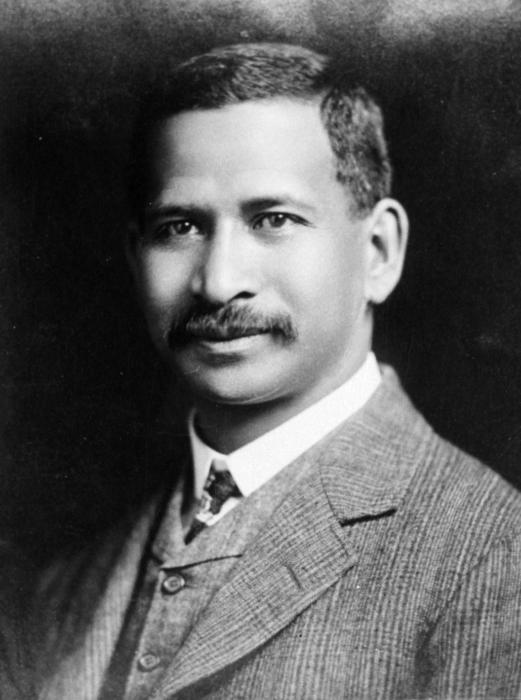
In an evocative phrase, Āpirana Ngata (Fig 4) (no 84) referred to Lindauer’s paintings as ‘shadow carvings of the European artist’ (‘te ata whakairo a te tohunga Pakeha’), thereby incorporating them within a Māori aesthetic. In 1903, a mother and daughter (nos 189 and 190) wrote ‘we the Māori do not know how to make these images of our ancestors, so greetings to you’. Five years later, on 12 June 1908, Kuini Wi Rangipupu of Ngāti Ruanui and Rangitopeora of Te Atiawa expressed their ‘great admiration for the Pakeha expert’, but also expressed the hope that Māori might take up portrait painting for themselves: ‘We sincerely hope the day will come when Maori will acquire this skill as it seems very much akin to the carving work of the Maori.’
It is impossible to quantify the early Māori visitation to the Partridge collection of portraits with any precision, in part due to the likelihood that not all visitors inscribed the book. Individual entries were given consecutive numbers until mid-1907, when the Māori book took on a more chaotic aspect following the completion of the Pākehā book, with its 7039 numbered visitors over a six-year period. Nevertheless, of the 332 numbered entries made in the Māori book over this same period, the vast majority were made by Māori visitors.
While not yet digitally accessible, the Pākehā book (Fig 5) is also a crucial source for the reception of the Lindauer Art Gallery. One of the earliest visitors, William Simpson of Sydney, wrote on 31 May 1901 that it was ‘more interesting than the public Art Gallery; it is to be hoped that this will never be lost to the public of New Zealand’, while an Auckland visitor on 2 July 1901 felt ‘bound to say that they [the portraits] are the best I have seen outside the National Gallery, London’.
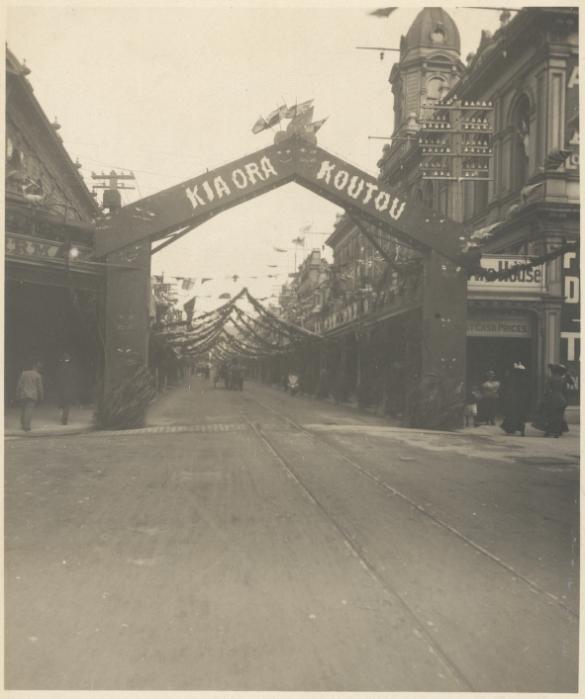
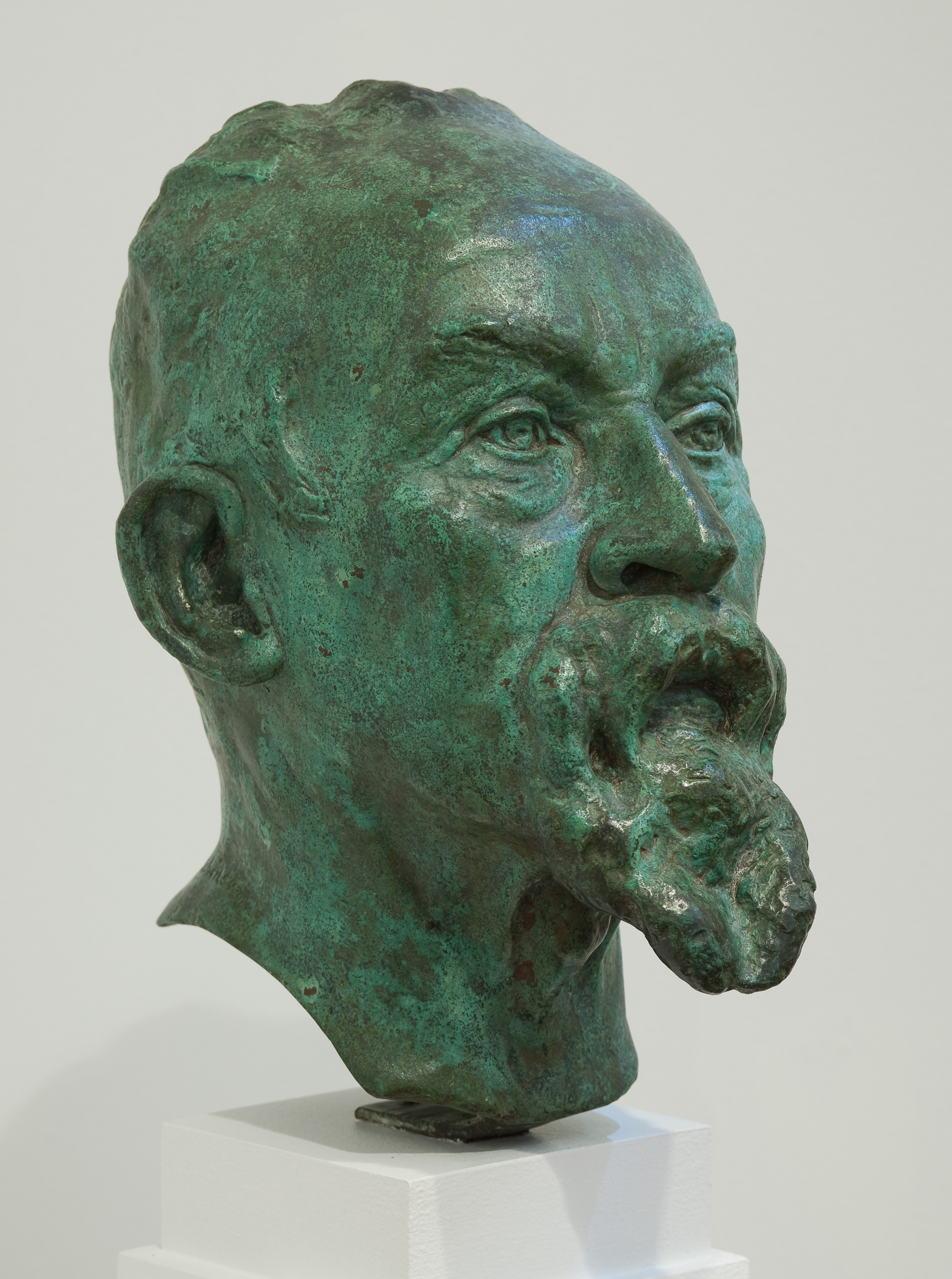
A more measured judgement came from J A Baker of London, the special artist and correspondent accompanying the Duke and Duchess of Cornwall and York, in 1901 (Fig 6): ‘Fine example of disinterested work in interest of education, than which no subject is more important. Kia ora, Mr Partridge. When New Zealand wakes to a proper interest in its traditions, it will owe you much.’ Another informed foreign visitor was Allen Hutchinson, a British-born sculptor who produced a bust of Lindauer for Partridge’s gallery (Fig 7). Hutchinson characteristically stressed the ethnological importance of the collection: ‘The value of Mr Lindauer’s work can hardly be estimated by this generation. The time when such types can be procured is rapidly passing. It will be the generations to come who will understand the full value of such a collection.’
Historian James Cowan (Fig 8) published a selection of visitors’ comments in an appendix to his Pictures of Old New Zealand, the 1930 book that documented the entire Partridge Collection. While these excerpts have been known to New Zealand art historians, until recently, the ledgers themselves remained hidden in a basement storeroom of Auckland Art Gallery Toi o Tāmaki. Since their rediscovery they have been recognised as significant archival taonga – published on the Gottfried Lindauer website, translated into English and included in numerous exhibitions. They are much more than a roll call of famous names who recorded their visits to Auckland’s latest attraction. Instead, they reveal an astonishing intensity and intimacy of engagement on the part of a wide range of relatives and descendants, who speak to and sometimes hear from the portraits, and provide compelling evidence of the spiritual presence that Māori visitors sensed in the collection. This same presence was felt by successive generations, who continued to pay such visits after the collection was shown at the Auckland Art Gallery in 1915.
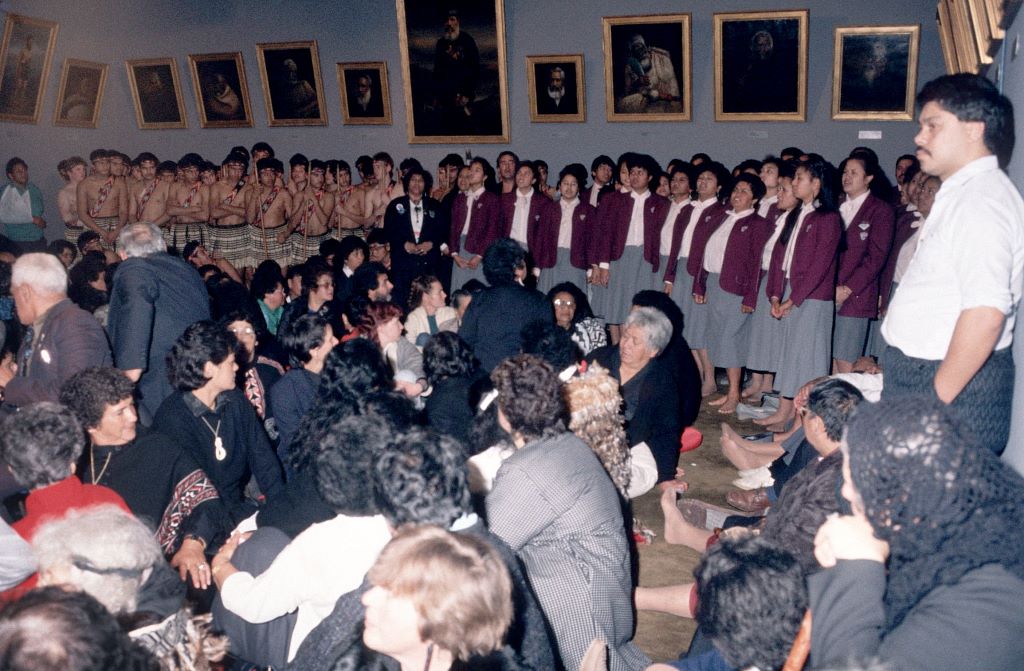
These resonances and wairua have been present on many subsequent occasions. When the great-great-grandchildren of those portrayed assembled before the entire collection of portraits, at the opening of Te Maori: Te Hokinga Mai The Return Home (Fig 9) in 1987 and again at the Goldie exhibition in 1997, as well as during Gottfried Lindauer’s New Zealand: The Māori Portraits in 2016 when Ngahiraka Mason took a Māori-centred approach to curating. And in 2024’s inaugural exhibition in the renamed Te Kawau Gallery Ngā Taonga Tūturu: Treasured Māori Portraits, when the portraits were shown for the first time in a gallery named after a rangatira Māori, alongside whakairo. Their presence will continue to be felt many generations into the future.
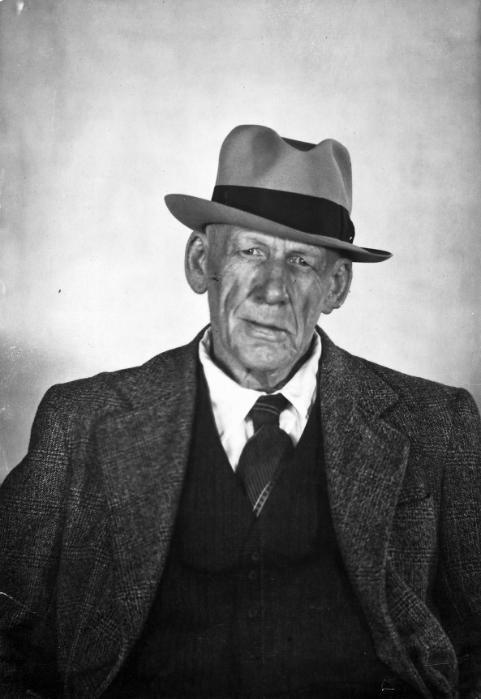
- David Colquhoun, ‘Cowan, James 1870-1943’, Dictionary of New Zealand Biography, updated 22 June 2007, accessed 13 April 2010.